
Articulation Mirror for Kids Speech Sound Practice Guide
⚠️ Medical Disclaimer: The information on this page is for educational purposes only and is not a substitute for professional medical advice, diagnosis, or treatment. Supplements are not intended to diagnose, treat, cure, or prevent any disease. Always consult a qualified Speech-Language Pathologist (SLP), pediatrician, or clinician before starting any supplement — especially for children.
You’re watching your child try so hard to say a sound, but something just isn’t clicking. As parents, we know that “say it like this” is tough to follow without a model. That’s why many speech-language pathologists encourage visual feedback: when kids can see how lips, teeth, and tongue line up, they can copy it. An articulation mirror kids can use at home turns guesswork into “Oh! I see it.” It’s simple, affordable, and easy to pair with playful practice throughout the day.
Below, I share the best kid-friendly mirrors and companion tools I’ve tested and loved as a parent-researcher. Additionally, I’ll walk you through how to choose a safe, shatter-resistant mirror in 2026, plus practical setups to make practice stress-free. If you’re new to mirror work, start with our step-by-step tips on our in-depth guide to articulation mirror practice, then circle back to pick a product. Moreover, you can layer in supports like gentle sensory tools, visual cards, or bubbles to keep motivation high without adding pressure.
Lastly, remember you’re not alone in this. Small, consistent moments—30 seconds here, one minute there—can make practice more joyful. Therefore, choose one mirror, add a game, and keep it light. You’ve got this.

Best Products for Articulation Mirror Kids Practice
| Product | Best For | Why It Helps | Link |
|---|---|---|---|
| Articulation Mirror | Daily speech sound practice | Clear, shatter-resistant visual feedback helps kids copy lip and tongue placement. | View on Amazon |
| Talk Tools Oral Kit | Placement and strength drills | Structured tools guide tongue, jaw, and lip awareness for tricky sounds. | View on Amazon |
| Bubble Set Speech Therapy | Breath support and motivation | Blowing games build steady airflow while keeping practice playful. | View on Amazon |
| Articulation Station App | High-repetition word lists | Targeted picture cards and built-in cues reduce planning and boost engagement. | View on Amazon |
Related Guides You Might Find Helpful for Articulation Mirror Kids
Articulation Mirror for Articulation Mirror Kids
This kid-safe, shatter-resistant mirror is the must-have anchor for home practice. Because children often benefit from seeing exactly how sounds are made, a simple mirror can transform confusing verbal directions into a clear, copyable picture. Set it on the table, floor, or bathroom counter; then sit beside your child so you’re both visible in the frame. Furthermore, pairing the mirror with a short game—like “copy-cat faces” before practicing sounds—reduces pressure and invites laughter.
For extra support, you can add a gentle sensory option like a chew necklace during wait times or transitions. Additionally, if your child is sensitive to noise, try calm background or noise-reducing headphones before practice to lower stress.
- Pros: Kid-safe materials; shatter-resistant; lightweight; easy to clean; excellent for instant visual feedback.
- Cons: Needs a stand or stable surface; fingerprints show quickly; older kids may prefer a larger size.
Best for: Daily articulation practice and fast “see-and-copy” placement for sounds like P/B/M, F/V, and SH/CH.
Articulation Mirror → Check price on Amazon
Talk Tools Oral Kit for Articulation Mirror Kids
When your child needs more than a mirror—especially for tricky tongue placement or jaw stability—the Talk Tools Oral Kit adds structure. It includes tools and a clear progression of activities that complement mirror work. Start with two to three minutes of tactile awareness drills, then transition to the mirror for the target sound. Consequently, your child gets both “feel it” and “see it” cues, which can reduce frustration.
Pair these drills with a simple visual routine using picture communication cards so your child knows what’s coming next and what earns a break. Moreover, families who like a deeper placement approach often appreciate how this kit keeps sessions consistent.
- Pros: Structured sequence; tactile feedback; supports jaw/lip/tongue awareness; pairs well with mirrors.
- Cons: Requires adult setup and supervision; learning curve; sanitize tools between uses.
Best for: Kids who benefit from tactile guidance before practicing in the articulation mirror.
Talk Tools Oral Kit → Check price on Amazon
Bubble Set Speech Therapy for Articulation Mirror Kids
Breath support matters for many sounds, and bubbles make airflow practice fun. A bubble set for oral-motor play pairs beautifully with mirror work: blow bubbles to wake up lips and breath, then try your target sound in the articulation mirror kids enjoy using. Alternatively, use bubbles as a quick reward between trials to keep motivation high.
Set a small “bubble budget” to prevent overexcitement and to maintain focus. Furthermore, practice steady, gentle blowing (like “birthday candle” air) before moving to fricative sounds such as F or SH.
- Pros: Highly motivating; supports steady exhale; easy warmup; low cost.
- Cons: Can be messy; supervision needed; some kids fixate on bubbles and lose focus without a routine.
Best for: Building breath control before or between sound practice in front of the mirror.
Bubble Set Speech Therapy → Check price on Amazon
Articulation Station App for Articulation Mirror Kids
Once your child sees correct placement in the mirror, you still need words and sentences for repetition. The Articulation Station App offers clear visuals, targets by sound and position (initial/medial/final), and easy data tracking. Therefore, you can alternate: 1–2 minutes with the mirror to check placement, then 1–2 minutes in the app for quick, high-interest practice. Additionally, this helps you vary the routine so your child doesn’t burn out.
For kids who thrive with tangible books and cards, weave in tactile options like our First Words board books and speech cards between app sets, then go back to the mirror to “check your mouth” again.
- Pros: Organized by sound and level; engaging pictures; easy to target goals; complements mirror feedback.
- Cons: Screen needed; consider blue-light limits; may require adult scaffolding for accuracy.
Best for: Fast, structured word lists to follow mirror-based sound shaping.
Articulation Station App → Check price on Amazon
How to Choose the Right Articulation Mirror for Kids for Articulation Mirror Kids
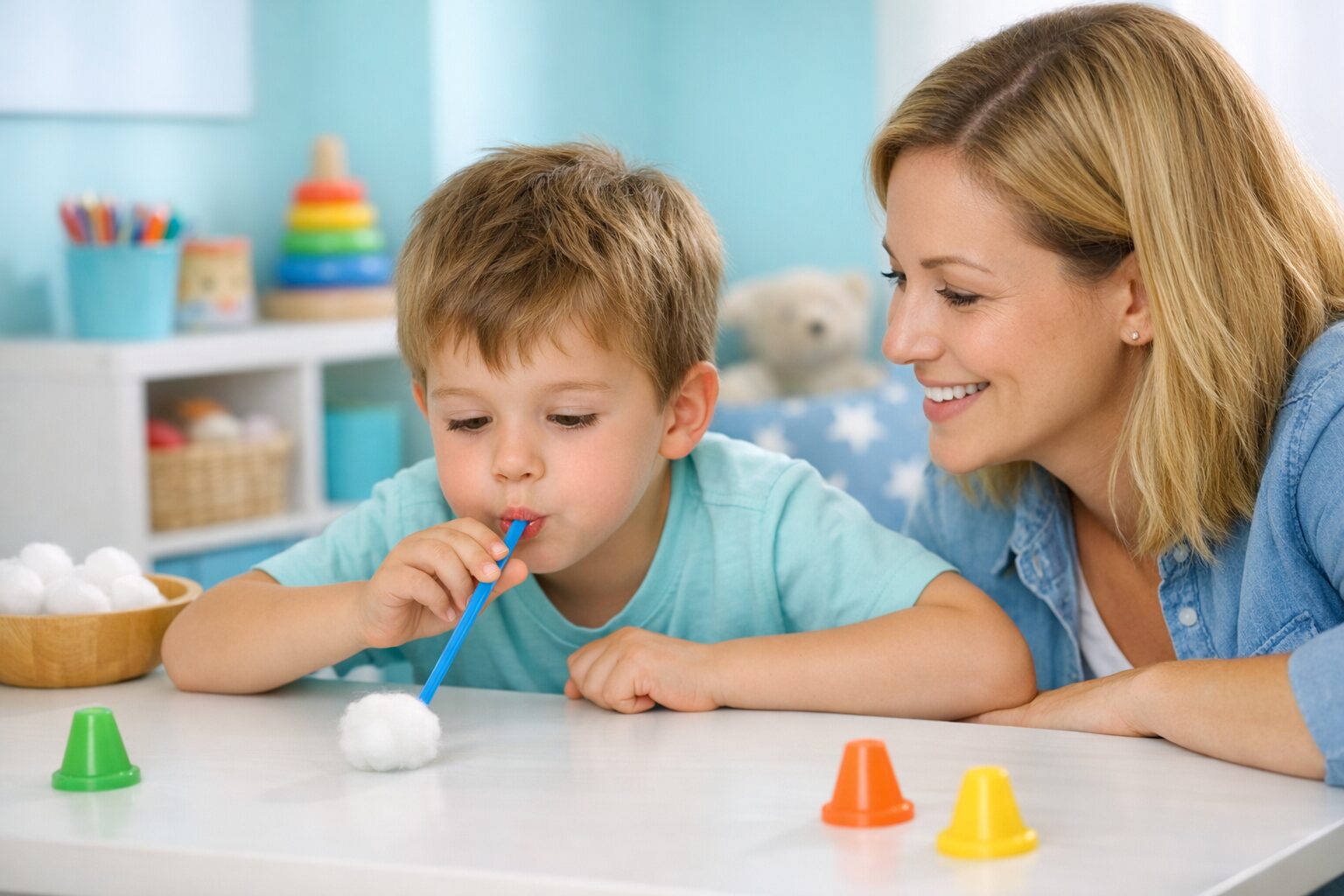
Because this tool lives in your child’s hands and near their face, safety and usability must come first. The right fit will reduce setup fuss, consequently allowing you to focus on modeling sounds and celebrating small wins. Below are the key features I look for in 2026, along with practical pairing tips that make home practice smoother.
Size, Shape, and Stand Matter for Articulation Mirror Kids
A 5–8 inch mirror suits most kids; it shows the full mouth without feeling overwhelming. However, larger mirrors can help older children track jaw movement or alignment more easily. Choose a stable stand with adjustable angles so you can tilt slightly up toward your child’s face. Moreover, a non-slip base prevents wobbles that break attention. If you prefer handheld, look for a lightweight grip with rounded edges.
Shatter-Resistant and Kid-Safe for Articulation Mirror Kids
Opt for shatter-resistant acrylic or polycarbonate with smooth, sealed edges. While glass can be clearer, kid-safe materials provide peace of mind. Additionally, verify that the surface wipes clean with gentle soap or alcohol wipes, since fingerprints accumulate fast during articulation mirror kids sessions. If you practice in multiple rooms, a soft pouch reduces scratches and accidental drops.
Clarity and Anti-Distortion
High clarity helps your child catch tiny details—like whether the bottom lip tucks under the top teeth for F. Therefore, avoid mirrors that bow or warp at the edges. Test by holding a straight object (like a pen) near the edges; if it bends visually, pick another model. Furthermore, slightly matte finishes can cut glare near bright lights.
Angles That Match Your Child’s Height
Sit shoulder-to-shoulder so you can model and your child can copy simultaneously. Consequently, a foldable stand or easel keeps the mirror at lip level whether you’re at the table, couch, or bathroom counter. For floor time, prop the mirror on a low stool or firm pillow to keep the angle steady.
Ease of Cleaning and Durability
Daily practice means daily smudges. Choose a mirror that stands up to frequent wiping without clouding. Moreover, grime can distract sensitive kids; a quick swipe with a microfiber cloth before each session keeps focus on your child’s face and mouth.
Pairing Tools for a Calmer Setup
- Visual Supports: Keep a tiny ring of picture communication cards to show “First: mirror, Then: bubbles.” This structure reduces pushback and, additionally, helps your child anticipate success.
- Sensory Regulation: If your child is an oral seeker, a chew necklace before practice can meet that need, so mirror time feels easier. For noise sensitivity, try noise-reducing headphones to cut environmental overstimulation.
- Motivators: Use a small bubble set or a token chart on the fridge. Consequently, you can keep sessions short, upbeat, and predictable.
- Language Boosters: Rotate in First Words board books & cards to practice target sounds in real words right after mirror placement checks.
When to Consider Complementary Supports
For some families, light nutrition support is part of the bigger picture. If you’re exploring that path, you can learn more about options like omega-3 DHA/EPA, magnesium glycinate, and 5-MTHF methylfolate in our parent-friendly guides. These are not quick fixes; however, our resources aim to help you ask informed questions and partner closely with your child’s care team.
Common Mistakes to Avoid

Skipping Warmups and Expecting “Perfect” Right Away
Jumping straight into target words can be frustrating. Instead, begin with silly faces, lip pops, or bubble blows, then shift into the articulation mirror. Kids need time to wake up those muscles; moreover, playful starts lower resistance.
Practicing Too Long Without Breaks
Five joyful minutes beat twenty stressful ones. Therefore, set a tiny goal (10 attempts), then break with a game or a quick page from a favorite book. Additionally, use “First/Then” visuals to keep momentum without overwhelm.
Not Checking the Angle or Lighting
If your child can’t clearly see their mouth, feedback loses power. Adjust the mirror to lip level and avoid harsh overhead glare. Furthermore, a small lamp on the side often creates better visibility.
Forgetting to Model Beside Your Child
Sitting behind or across the table makes copying harder. Sit side-by-side in frame, therefore letting your child match your mouth movements in real time. Additionally, exaggerate only slightly—enough to notice, not cartoonish.
Only Using the Mirror Without Reinforcement
Mirror time is a tool, not the whole session. Pair it with tiny rewards, visual cards, or short turns on an app. Consequently, kids stay engaged long enough to reach those “I did it!” moments.
Ignoring Sensory Needs
If your child is dysregulated, practice stalls. Consider a few minutes in a quiet nook, gentle movement, or offering sensory chewelry before mirror work. Moreover, reducing noise with noise-reducing headphones can help sensitive listeners tune in.
FAQ

How often should we use an articulation mirror for kids?
Short, frequent bursts work best: 1–5 minutes, 1–3 times per day. Additionally, tie practice to routines (after toothbrushing or snack) so it feels natural.
Which sounds benefit most from articulation mirror kids practice?
Bilabials (P, B, M), labiodentals (F, V), and many “sh” or “ch” sounds respond well to visual feedback. However, even hidden tongue sounds gain from jaw or lip cues.
What’s the best position for the articulation mirror kids can see clearly?
Tilt the mirror slightly upward at lip level, then sit shoulder-to-shoulder with your child. Consequently, you both stay in frame for easy modeling and copying.
How do I keep my child motivated without screen time?
Use micro-goals with playful rewards: bubbles, a sticker, or turning a page in a favorite book. Moreover, rotate tools to keep novelty high.
Can I use an articulation mirror with nonverbal or minimally verbal kids?
Yes. Focus first on imitation of faces, lip movement, and breath play. Additionally, add visual supports like picture communication cards to build participation.
Do I need any training to get started?
No formal training is required to begin simple mirror modeling. However, collaborating with your child’s SLP for target sounds and goals ensures you’re practicing the right things.
Final Verdict
An articulation mirror kids can use at home is one of the simplest, most practical tools to bring therapy-style feedback into daily life. Choose a shatter-resistant mirror with a stable stand, then pair it with brief warmups and motivating breaks. Furthermore, layer supports—like bubbles, visuals, or a structured app—to keep practice positive and predictable. In 2026, families are busier than ever; therefore, picking one reliable mirror and a few low-lift add-ons can make your routine sustainable. Start small, celebrate often, and let your child see their own progress smiling back at them.
🔗 Quick Links to Our Top Picks
Our Promise: We research and compare so your child can get the support they deserve.
Explore More in Oral-Motor & Articulation
Browse all 2 parent guides, product reviews and research summaries in this category.
Browse All Articles →