
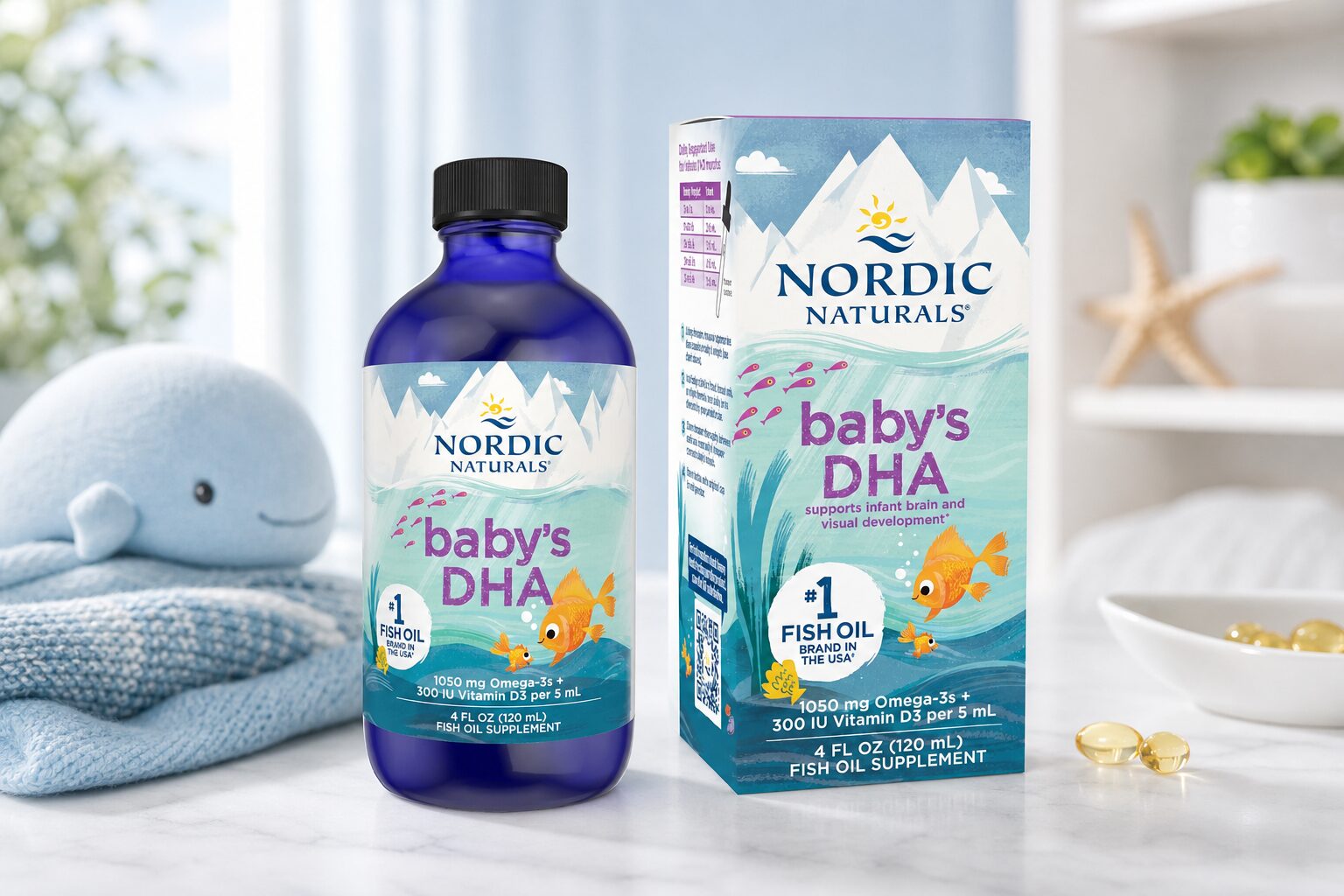
Omega-3 DHA EPA for Kids Brain Health and Speech
⚠️ Medical Disclaimer: The information on this page is for educational purposes only and is not a substitute for professional medical advice, diagnosis, or treatment. Supplements are not intended to diagnose, treat, cure, or prevent any disease. Always consult a qualified Speech-Language Pathologist (SLP), pediatrician, or clinician before starting any supplement — especially for children.
When it comes to omega3 dha epa, when your child struggles to focus, stay regulated, or find their words, it can feel overwhelming to know where to start. However, many families look first at gentle, everyday foundations: sleep, nutrition, and brain-building fats. Omega-3 DHA and EPA are among the most-researched nutrients for developing brains, and many parents notice that when these are in place, therapy time can feel easier and more effective. Therefore, in this 2026 buyer’s guide, we’ve rounded up practical, parent-approved omega-3 options and shared how to choose the right fit for your family’s routine—without the fishy battles.
Additionally, if you’re building a broader plan alongside speech therapy, you may find our in-depth resources on omega-3 (DHA/EPA), methyl B-12, and 5-MTHF methylfolate helpful. Moreover, remember that nutrients are one piece of a supportive environment that can also include visual supports, sensory tools, and consistent communication practice at home.

Best Products for omega-3 dha epa kids
| Product | Best For | Why It Helps | Link |
|---|---|---|---|
| DHA Fish Oil Children | Toddlers and picky palates | Kid-friendly liquids with mild flavors make daily omega-3 routine easier. | View on Amazon |
| Omega-3 Kids Fish Oil | School-age kids needing higher DHA | Balanced DHA/EPA in chewables or liquids supports flexible dosing. | View on Amazon |
| Omega-3 DHA/EPA | Parents prioritizing purity | Many options highlight third-party testing and clean ingredient lists. | View on Amazon |
Related Guides You Might Find Helpful for Omega3 Dha Epa
DHA Fish Oil Children for Omega3 Dha Epa
For toddlers and sensitive eaters, a palatable liquid is often the difference between success and a stalemate. DHA Fish Oil Children products typically lean into gentle flavors and lower, flexible dosing that parents can split across meals. Consequently, this option works well for families just starting an omega-3 routine or transitioning away from gummies with added sugars. While formulations vary, look for products using triglyceride or re-esterified triglyceride forms for improved absorption, and, whenever possible, confirm third-party testing for heavy metals and purity.
Pros for Omega3 Dha Epa
- Kid-friendly liquids with mild or natural flavors
- Flexible dosing for small bodies and gradual titration
- Often higher DHA-to-EPA ratio tailored for developing brains
- Easy to mix into yogurt or smoothies without overpowering taste
Cons for Omega3 Dha Epa
- Refrigeration is commonly required to maintain freshness
- Some bottles use droppers that can be messy
- Natural flavors vary; you may need to try one or two to find a winner
Best For Omega3 Dha Epa
- Toddlers, preschoolers, and children sensitive to textures or smells
- Families who prefer liquids over capsules or gummies
- Parents easing into omega-3 dha epa kids routines with careful dosing
DHA Fish Oil Children → Check price on Amazon
Omega-3 Kids Fish Oil for Omega3 Dha Epa
If your child is school-aged, an omega-3 blend with balanced DHA and EPA can make daily consistency easier. Many families appreciate chewables or softgels that minimize taste issues while allowing for predictable, labeled amounts per serving. Furthermore, some “kids” formulations include added antioxidants or natural flavors without artificial dyes, which can be a plus for sensory-sensitive children. As always, check labels for total milligrams of DHA and EPA per serving so you can match your child’s needs with your pediatrician’s guidance.
Pros for Omega3 Dha Epa
- Available in liquids, chewables, and softgels for flexible routines
- Clear labeling of DHA/EPA per serving simplifies tracking
- Often includes kid-friendly natural flavors
- Good step-up from toddler doses while remaining age-appropriate
Cons for Omega3 Dha Epa
- Chewables can include sweeteners; read labels if you’re avoiding them
- Softgels may still be large for some children to swallow
- Flavor fatigue can happen; rotating forms may help
Best For Omega3 Dha Epa
- Elementary-age kids ready for a predictable daily serving
- Families wanting variety in delivery forms
- Caregivers seeking an accessible path to omega-3 dha epa kids consistency
Omega-3 Kids Fish Oil → Check price on Amazon
Omega-3 DHA/EPA for Omega3 Dha Epa
When purity and potency are your top concerns, look for omega-3 products that emphasize sourcing, sustainability, and third-party testing. Consequently, many parents choose options that note IFOS or similar certifications, transparent batch testing, and detailed DHA/EPA breakdowns. Although taste remains important, these products often prioritize clean ingredient lists with fewer additives. Moreover, pairing omega-3s with a small, fatty meal can reduce burps and support steady absorption throughout the day.
Pros for Omega3 Dha Epa
- Emphasis on quality control and purity testing
- Often higher potency with clear DHA/EPA per serving
- Minimal, cleaner ingredient lists
- Suitable for tailored dosing strategies guided by your clinician
Cons
- May cost more due to quality controls and sourcing
- Some high-potency options have stronger fish taste if not flavored
- Capsules may be hard for younger kids to swallow
Best For
- Parents prioritizing verified quality and sustainability
- Kids who tolerate capsules or unflavored liquids
- Families aligning omega-3 dha epa kids routines with professional guidance
Omega-3 DHA/EPA → Check price on Amazon
How to Choose the Right Omega-3 DHA/EPA for Kids

Because every child is different, choosing an omega-3 that fits your child’s sensory preferences, schedule, and dietary needs matters just as much as milligrams on a label. Additionally, quality and testing are essential when fish is involved. Below are practical criteria to help you feel confident in your selection.
Core criteria for omega-3 dha epa kids supplements
- Form and flavor: Liquids often suit toddlers, while chewables or softgels can work for school-age kids. However, taste is personal; start small and try flavors like citrus, mango, or unflavored options mixed into food.
- DHA/EPA balance: Younger children often do well with DHA-leaning products, while older kids may benefit from a balanced DHA/EPA blend. Therefore, review labels closely to match your goals and your clinician’s input.
- Absorption-friendly types: Triglyceride or re-esterified triglyceride forms are commonly chosen for bioavailability. Moreover, taking omega-3 with a meal containing healthy fats (e.g., avocado or yogurt) can help.
- Purity and testing: Look for third-party testing for heavy metals and oxidation. Consequently, certifications (e.g., IFOS or similar) and published batch results can give extra peace of mind.
Right-sizing the dose and routine
- Dose ranges vary by age, weight, and dietary intake. Many families aim for a modest, consistent daily amount and adjust with their pediatrician’s guidance.
- Start low and go slow. Additionally, spacing smaller servings across the day (breakfast and dinner) can reduce aftertaste for sensitive kids.
- Store correctly. Most liquids require refrigeration; always follow the label to preserve freshness and reduce oxidation.
Pairing with other supports
- Speech practice: Supplements work best alongside daily communication supports. Consider adding visual tools like picture communication cards, practicing sounds with an articulation mirror, or playful oral motor work with a bubble set.
- Regulation and focus: If your child is easily overstimulated, noise-reducing headphones or a chew necklace can help create calmer moments for learning. Furthermore, some parents find gentle evening support with magnesium glycinate.
- Gut-brain connection: Because digestion influences comfort and behavior, families sometimes pair fish oil with a child-friendly probiotic. You can explore options in our kids probiotic guide.
When folate and B-12 matter
- For some children, clinicians also explore methylation nutrients. If your team is considering folate pathways, you can read our resources on leucovorin/folinic acid, 5-MTHF methylfolate, and methyl B-12. Additionally, parents often appreciate Dr. Frye’s perspective in our overview of folate and autism and the book The Folate Fix.
- These nutrients can be part of a thoughtful, individualized plan. However, they are not substitutes for therapy or medical care.
Everyday habits that help omega-3 routines stick
- Make it visual: Place a small chart on the fridge with checkboxes. Moreover, integrate it with your child’s first words cards time or bedtime reading to build consistency.
- Keep taste fresh: Rotate flavors or switch between liquid and chewable formats if your child gets bored.
- Bundle with connection: Pair the dose with a short game, a page of a book, or a quick play prompt—small rituals often keep kids engaged.
Common Mistakes to Avoid

- Choosing by brand alone instead of checking DHA/EPA amounts and testing. Additionally, verify milligrams per serving, not just per teaspoon or capsule.
- Starting with a large dose on day one. However, beginning low and increasing gradually can reduce taste issues and improve buy-in.
- Taking on an empty stomach. Consequently, many kids do better with fish oil alongside a meal containing fat.
- Overlooking storage. Refrigerate liquids when instructed and note the “use by” date to avoid oxidation.
- Ignoring additives. Furthermore, scan labels for unnecessary sweeteners, dyes, or allergens that your child may be sensitive to.
- Expecting supplements to replace therapy. Omega-3s are a foundation; consistent speech practice and tools still matter every day.
- Not tracking consistency. Therefore, use a simple habit chart to see what’s truly working before switching products.
FAQ

How do I introduce omega-3 dha epa kids supplements without battles?
Start with the smallest practical amount and pair it with a familiar food, such as yogurt or applesauce. Additionally, try flavors your child already enjoys and make it part of a predictable routine—like after breakfast reading—so it feels safe and expected.
What’s the difference between DHA and EPA, and which is better for kids?
DHA and EPA are both omega-3 fats. DHA is abundant in the brain and eyes, while EPA is often discussed for general wellness. For younger kids, many parents favor a DHA-leaning product; however, older children may benefit from a more balanced DHA/EPA blend. Your pediatrician can help tailor choices to your child.
Can omega-3 dha epa kids routines support speech therapy goals?
Many families use omega-3s as a nutritional foundation while continuing speech therapy. Although results vary, parents often report that a steadier daily routine—with sleep, nutrition, and practice—creates a better learning environment.
What if my child can’t swallow capsules?
Choose a liquid or chewable. Moreover, some softgels can be pierced and mixed into food, though flavor may be noticeable. Try tiny amounts first, and rotate flavors if your child gets tired of one taste.
Are there plant-based omega-3 options?
Plant sources like flax and chia provide ALA, which the body can convert to DHA/EPA at a limited rate. Therefore, some families still prefer marine-sourced DHA/EPA for predictability. If your family is vegetarian, talk with your clinician about algae-based options that fit your dietary preferences.
How long should we try a product before deciding if it fits?
Consistency matters more than speed. Consequently, many parents track daily intake and routines for several weeks before evaluating ease of use, taste acceptance, and how well the product fits family life. If it’s a struggle every day, consider a different form or flavor.
What else can we do at home while we build our omega-3 routine?
Daily, playful practice helps. Consider visual supports like picture communication cards, early vocabulary play with first words board books & cards, and sound modeling with an articulation mirror. Additionally, our blog shares practical, parent-tested ideas you can start today.
Final Verdict
Omega-3s are a steady, everyday building block for many families, and choosing the right fit often comes down to taste, format, and transparency about DHA/EPA content. In 2026, we continue to hear from parents who value small, sustainable routines that complement therapy and home practice. Therefore, begin with a form your child will accept, aim for consistent daily use, and pair your omega-3 dha epa kids plan with playful communication tools and a calm, connected routine. If you need a refresher on the basics, our concise omega-3 guide is a helpful place to start. And if you’re curious about your child’s broader nutrient picture, you can learn more about us and our approach on our About page.
🔗 Quick Links to Our Top Picks
Our Promise: We research and compare so your child can get the support they deserve.
Explore More in Supplements & Brain Health
Browse all 4 parent guides, product reviews and research summaries in this category.
Browse All Articles →