Picture Communication Cards (Visual Supports): A Parent-Friendly Guide for Speech & Language
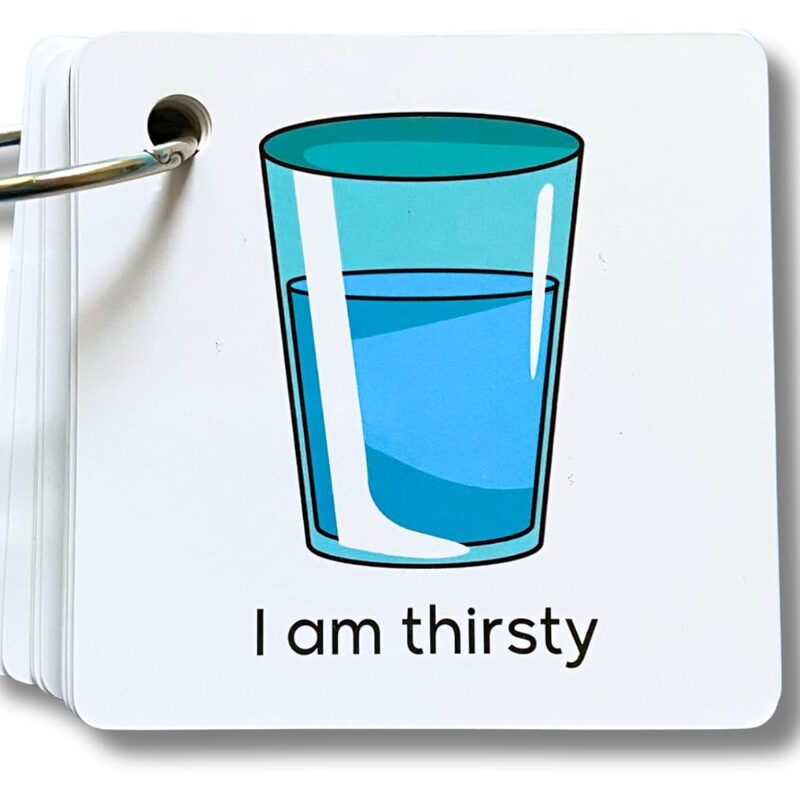
Visual cards (also called picture communication cards, PECS-style cards, or visual supports) are one of the simplest tools families use alongside speech therapy. They can reduce frustration, improve daily routines, and create more opportunities for requesting, labeling, and early language.
Quick Take
- Best for: nonverbal/early talkers, tantrums from “can’t tell you,” transitions, picky routines
- Supports: requesting (“I want…”), choices, first words, daily schedule clarity
- Parent tip: start with 5–10 core cards and use them all day (not just during “practice”)
What are visual cards (picture communication cards)?
Picture communication cards are simple images (printed cards, laminated icons, or a small binder) used to support communication when speech is limited, developing, or inconsistent. Parents often search for: visual schedule cards, communication cards for toddlers, picture cards for autism, or PECS communication cards.
The goal isn’t to “replace speech.” For many kids, visuals reduce pressure and frustration, which can create more opportunities to communicate—pointing, gesturing, approximating words, and eventually speaking more.
Why visual supports help speech and language development
When a child can’t express a need, they often communicate with behavior (crying, grabbing, yelling, refusing). Visuals help by making communication easier and more predictable.
- More successful requests (“I want bubbles,” “help,” “more”)
- Less frustration during transitions (“first/then”)
- More language opportunities all day long (not just therapy time)
Who benefits most from visual communication cards?
Visual supports are commonly used with:
- toddlers and preschoolers with delayed speech
- children who are nonverbal or minimally verbal
- kids who understand more than they can say
- children who melt down during transitions or changes in routine
They’re also frequently used alongside therapy for autism, sensory processing differences, and attention challenges— especially when routines and transitions are hard.
Best first visual cards to start with (keep it simple)
Parents often overbuild a huge set and then never use it. Start small:
- Core requests: more, help, all done, stop, wait
- Motivators: iPad, bubbles, snack, outside, play
- Basics: drink, bathroom, hug, break
Simple “First/Then” examples
- First clean up → Then bubbles (bubble play)
- First sit → Then book (first words cards/books)
- First practice sounds → Then reward (use your child’s favorite)
How to use visual cards for “speech practice” without it feeling like homework
The best approach is to use visuals during real life, not as a separate lesson. Here’s a quick routine that also builds internal links across your site:
A simple 5-minute routine: Visuals + Play + Sounds
- Request (1 minute): child points to “bubbles” or “more” (bubble set)
- Choice (2 minutes): “big bubbles” vs “small bubbles” (two cards)
- Sound cue (2 minutes): model 1–2 target sounds using mirror practice
If sensory needs interfere with participation, pairing visuals with a regulating tool like a chew necklace (chewelry) can help some kids stay engaged.
Common mistakes (and easy fixes)
- Mistake: Only using cards during meltdowns → Fix: use them during calm moments too.
- Mistake: Too many cards at once → Fix: keep 5–10 “core” cards accessible all day.
- Mistake: Asking “Say it first” every time → Fix: accept pointing, then model the word naturally.
Safety & use notes
- Use sturdy cards (laminated if possible) and keep them consistent.
- If your child mouths items, choose thicker cards or a small binder page.
- Ask your child’s SLP what words/requests align with current therapy goals.
Common questions parents search
- “Do visual cards help kids talk?” — they can support communication and reduce frustration, which often increases language opportunities.
- “What are PECS cards?” — a structured picture-exchange approach using visuals for requesting and communication.
- “Visual schedule for toddlers” — visuals can make transitions easier and reduce resistance.
Related SpeechSupplements pages (internal links)
Visual supports work best when paired with a simple routine and the right “foundation helpers”:
- Bubble play for turn-taking + imitation
- Mirror articulation practice for sound learning
- Chew necklace (chewelry) for sensory regulation
- Noise-reducing headphones to support focus
- First words cards/books for daily vocabulary routines
- Omega-3 DHA/EPA for brain + attention foundations
- Magnesium glycinate for calmer sleep routines
- Kids probiotic for gut comfort that can affect regulation
Ready to try visual communication cards?
Start with 5–10 core cards (more, help, all done + 2–3 favorite items) and use them daily. If you’re unsure which words to begin with, ask your child’s SLP for the best starter set.
Buy NowDisclaimer: This page is for educational purposes only and does not provide medical advice. Always consult a qualified clinician or your child’s SLP for individualized guidance.