
Chew Necklace (Sensory Chewelry): For Speech Practice, Focus, and Regulation
A chew necklace (often called sensory chewelry) is a simple tool many parents use to support oral sensory needs, calmer transitions, and better participation during learning activities. For some children, meeting that “need to chew” can reduce distractions and make it easier to stay engaged in speech therapy practice at home.
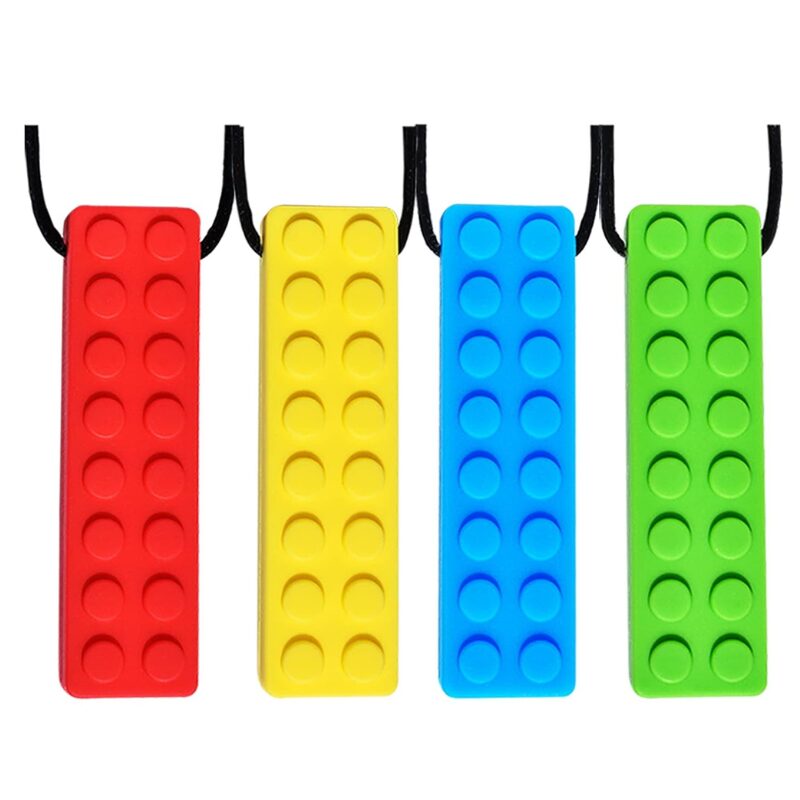
Quick Take
- Best for: oral sensory seeking, pencil/shirt chewing, transitions, on-the-go regulation
- Supports: calmer participation during speech games, reading time, table work
- Parent tip: match the toughness level to your child’s chewing intensity
What is a chew necklace (sensory chewelry)?
A chew necklace is a wearable silicone or rubber chew tool designed for children who seek oral input. Parents often search for terms like chewelry for kids, sensory chew necklace, or chewing necklace for autism because it’s a safer alternative to chewing shirts, pencils, fingers, or toys.
While a chew necklace is not “speech therapy” by itself, it can support the foundations that make speech practice easier: calmer bodies, better attention, and fewer sensory distractions.
Why chewing can affect speech practice and learning
Many children chew to regulate their nervous system. When that need is unmet, the child may:
- chew on unsafe objects (shirts, zippers, pencil erasers)
- struggle to sit for short speech practice sessions
- appear “wiggly,” distracted, or frustrated during communication tasks
A chew necklace can help by providing consistent oral input so the child can shift attention toward the activity—like a short articulation game, a mirror speech practice routine, or a quick bubble blowing turn-taking game.
Who may benefit from chewelry?
Parents commonly look for sensory chew tools when children show:
- frequent chewing on clothing, hands, or objects
- strong oral sensory seeking
- difficulty staying regulated during transitions
- trouble focusing during table activities or therapy homework
Chewelry is often discussed in contexts like sensory processing differences, ADHD-type restlessness, or autism-related sensory needs. Your best guide is always your child’s therapist or clinician, especially if there are chewing safety concerns.
How to choose the right chew necklace (toughness matters)
Not all chew necklaces are the same. A common long-tail search is: “best chew necklace for strong chewers”. Here’s the key:
- Soft / light chewer: good for mild oral seeking, occasional chewing
- Medium: a common starting point for daily use
- XT / heavy chewer: for strong chewing intensity (often larger/thicker)
If your child destroys chew items quickly, step up the toughness level and choose reputable brands. Always supervise use and inspect for wear.
How to use a chew necklace to support speech routines
The goal is not to chew “all day”—it’s to use chewelry strategically during moments that usually fall apart:
- Before speech practice: 1–2 minutes of chewing to regulate
- During transitions: moving from play → table work
- During reading time: when focus drops quickly
A simple 5-minute “Speech Practice + Chewelry” routine
- Regulate (1 minute): chewing + deep breaths
- Communication warm-up (2 minutes): use visual cards for requests (“more,” “help,” “open”)
- Sound practice (2 minutes): use mirror articulation practice (your SLP’s target sounds)
This works best when paired with other “foundation helpers” like calm and sleep routines or noise-reducing headphones for focus.
Safety notes (read this)
- Supervise use, especially for children under 3 or children who mouth items aggressively.
- Inspect daily for tears, cracks, or weak spots.
- Correct toughness reduces breakage risk.
- If your child chews through items quickly, consult an OT/SLP for safer alternatives and strategies.
Common questions parents search
- “Do chew necklaces help kids focus?” — they may help some children regulate sensory needs, which can support attention.
- “Chew necklace for autism?” — many families explore chewelry for sensory regulation; guidance from OT/SLP is best.
- “Chewelry for ADHD?” — oral input can be calming for some kids; introduce gradually and observe changes.